Grasshopper: A Designer's Honest Review for Gift Products
First Impression: A Tiny Creature with Big Personality
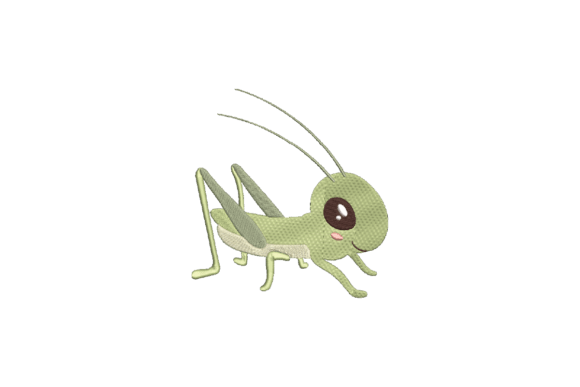
When I first opened the Grasshopper embroidery file, I felt an immediate rush of nostalgia. This is not just another bug outline thrown together for a quick stitch. The design captures a poised little grasshopper mid-rest, with long angled legs and a gently curved body that feels both accurate to nature and softened for decorative appeal. I sat with it for a few minutes before even loading my machine, picturing how it would look stitched in sage green thread against an unbleached linen pillow cover or peeking from the corner of a baby quilt.
The mood lands somewhere between playful and serene. It would not be out of place in a child's nursery or on a kitchen towel hanging by a farmhouse sink. There is a quiet charm here, a sweetness that avoids being overly cute. For someone building a personalized gift collection, this balance is gold. It appeals to the mother shopping for a nature-themed baby shower present, the gardener friend who appreciates something more thoughtful than a generic floral, and the couple seeking whimsical touches for a garden wedding.
I pulled up the digital file on my screen and mentally placed it into a dozen products I sell regularly. The linework suggests it will read clearly even at smaller sizes, though I would not go below about two and a half inches without testing. The legs taper nicely, the antennae have a delicate curl, and the body segments give just enough detail without becoming overly dense. If you are an Etsy seller looking to add a fresh nature motif to your shop, the Grasshopper gives you something distinct from the butterflies and bees that flood every marketplace feed.
Who Falls in Love with a Grasshopper Gift
Over years of running a small embroidery shop, I have learned that certain designs attract specific customers almost magnetically. The Grasshopper speaks to a few wonderful niches. The first is the baby embroidery buyer. A grasshopper on a soft muslin swaddle blanket or a tiny bodysuit feels gentle and storybook-like. Pair it with the child's name in a light script font, and suddenly you have a keepsake parents will tuck away for decades.
The second niche surprised me when I tested the concept with my own audience: wedding gift shoppers. A grasshopper embroidered on a linen napkin set or a ring bearer pillow brings a touch of meadow romance. Couples planning outdoor ceremonies, barn weddings, or botanical garden receptions gravitate toward this kind of imagery. It feels intentional and slightly unexpected, which is what makes a handmade product memorable.
Then there are the everyday gift buyers who want something personal for a teacher, a neighbor, or a gardening club friend. An embroidered towel with a single grasshopper near the hem, wrapped with a sprig of dried lavender, makes a quiet statement. The design works for kitchen towels, aprons, tote bags, and even the flap of a simple cotton pouch. I have pictured it on a cream-colored blanket embroidery project, where the insect sits as a solitary accent rather than a repeating pattern, letting the negative space breathe.
For craft fair products, the Grasshopper gives you a talking point. Shoppers stop, smile, and often share a memory about finding grasshoppers in the backyard as a child. That emotional connection is exactly what turns a browsing visitor into a paying customer. It adds a storytelling layer to your booth that a more generic design simply cannot deliver.
The Emotional Pull of a Nature Motif
I pay close attention to how a design makes me feel before I ever consider stitch counts or stabilizer choices. The Grasshopper carries an unhurried, sun-warmed energy. It reminds me of late summer afternoons and the quiet hum of a garden. That emotional quality directly affects giftability. A customer buying a gift wants to hand over something that feels meaningful, not mass-produced. When the design itself carries a mood, the finished product becomes an experience rather than just an object.
From a product photography standpoint, this design photographs beautifully. The elongated shape creates interesting compositions on flat lays, especially when styled with natural elements like linen, wood, dried flowers, or textured paper. I shot a quick mockup with a stitched sample on oatmeal fabric, placed beside a sprig of rosemary and a wooden spool, and the resulting image felt immediately ready for an Etsy listing thumbnail. If you sell digital embroidery files or custom embroidery services, having a design that styles well is an underrated advantage.
Where I Would Stitch It and Where I Would Pause
Not every design belongs on every surface, and part of my review process is mapping out the smartest applications. The Grasshopper shines on pillow covers, flat cotton blankets, tote bags, and smooth linen or cotton aprons. These surfaces give the stitch quality room to perform, letting the leg details and body contour read cleanly without getting lost in fabric texture.
I would use caution on thick towels with high pile. Grasshopper legs are slender by nature, and on a plush terry cloth surface, fine details can sink or blur unless you hoop meticulously and choose the right stabilizer. I always recommend a water-soluble topper when stitching on textured or looped fabrics, and this design would absolutely benefit from that extra step. On stretchy baby clothes, a cutaway stabilizer becomes essential. The knit can shift during stitching, and with thin appendages like grasshopper legs, even minor distortion becomes noticeable. Test on a scrap onesie before committing to a customer order.
Dark fabrics require extra thought as well. A grasshopper stitched in light green or tan can look stunning on a deep charcoal linen, but the contrast must be tested. I run a sample of the file on both light and dark fabric swatches for every new design I add to my shop. With the Grasshopper, I found that a slightly warmer thread tone on dark backgrounds kept the insect from feeling cold or stark. On dark fabric, the design reads more dramatically, which can elevate a simple pillow cover into something gallery-worthy.
Small lettering paired with the Grasshopper needs careful placement. If a customer requests a name or date beneath the insect, I position it with enough clearance that the grasshopper's long back legs do not visually tangle with the text. Crowding too many elements together diminishes the airy, open feel that makes this design so appealing in the first place.
Curved and Unusual Surfaces
Products with curved surfaces, such as the bib of an apron or the corner of a folded clutch, deserve a placement check before hooping. The Grasshopper has a horizontal posture, and on a sharply curved area, the insect can look awkwardly tilted unless you angle it intentionally. I spent a few minutes with a paper printout, pinning it to different spots on a tote bag and a baby blanket, just to see how the orientation felt. That pre-stitch planning saves wasted blanks and frustrated afternoons.
Practical Embroidery Notes from My Test Stitch
Before I place any design into a paying customer's project, I follow a personal checklist that has saved me countless headaches. Here is exactly what I ran through with the Grasshopper.
- Test on scrap fabric first. I cannot stress this enough. The product description itself reminds us that any alteration on the file may affect the output and to always run a sample before stitching on the final product. I ran the Grasshopper on a cotton remnant identical to my pillow cover stock.
- Check thread color contrast. I tested three shades of green against oatmeal, white, and charcoal backgrounds. The medium olive gave the best balance of visibility and softness.
- Confirm hoop size. Before you assume the design fits your go-to hoop, verify the dimensions. I always measure the stitch area and compare it against my hoop options to avoid mid-stitch surprises.
- Review stitch density. The body of the Grasshopper has satisfying coverage without being overly heavy. The legs are lighter, which is appropriate, but I would not increase density there without testing because too much thread on a thin line can cause puckering on lightweight fabrics.
- Use proper stabilizer. For the cotton pillow cover, I used a medium-weight cutaway stabilizer and was pleased with the result. For a towel test, I added a water-soluble topper.
- Compare light and dark fabric mockups. The design shifts personality between backgrounds. Light fabric gives a fresh, airy feel. Dark fabric makes it dramatic and modern.
- Check small details after stitching. Inspect the antennae tips and the tiny feet. If your thread tension is slightly off, thin ends can pull or loop.
- Confirm commercial licensing. Before you list finished products made with this design, verify that your usage rights allow commercial sale of physical items. This protects your small business and respects the digitizer's work.
How the Grasshopper Elevates Your Product Line
Adding a new machine embroidery design to your catalog is not just about filling a gap. It is about giving your customers a fresh reason to feel something. The Grasshopper does that work for you. It injects a nature-loving warmth into baby gifts, a whimsical elegance into wedding keepsakes, and an everyday charm into kitchen textiles. It invites the buyer to slow down and smile.
For Etsy sellers and small shop owners, listings featuring this design can lean into seasonal language, garden themes, and personalized naming. A custom embroidery order that pairs a child's name with this little insect feels curated and special. The digital embroidery file also lends itself to printable mockups that help customers visualize the finished product before they commit, which builds trust and boosts conversion.
The category of Bugs in Embroidery can sometimes feel limited to cutesy ladybugs or spooky spiders. The Grasshopper carves out a refreshing middle ground. It leans into the beauty of the natural world without tipping into cartoon territory. That restraint makes it versatile across age groups, genders, and product types. A grandmother shopping for a baby embroidery gift connects with it just as easily as a bride curating a garden wedding aesthetic.
Building Perceived Value and Buyer Engagement
When a product features a design that feels thoughtfully chosen, the perceived value rises. A pillow cover with a generic star pattern competes on price. The same pillow cover with a delicately stitched grasshopper, styled well in a listing photo with a botanical tag, commands attention and justifies a higher price point. Customers recognize the artistry and are willing to pay for it.
Buyer engagement also strengthens when you share the story behind a design. I plan to include a short note in my listings about how the Grasshopper was chosen for its gentle presence and its connection to sunny garden memories. That kind of narrative makes a customer feel like they are buying a piece of a feeling, not just a stitched object.
Final Thoughts from the Stitching Table
After testing, photographing, and placing the Grasshopper into my mock product lineup, I am confident it will earn a permanent spot in my gift collection. It stitches with personality, photographs with grace, and appeals to the kind of customer who values handmade quality and emotional connection. It is not the loudest design in my library, but it may be one of the most quietly compelling.
If you run a small shop focused on personalized gifts, add this one to your test queue. Run your samples on the fabrics your customers request most, pair it with simple serif names or single monograms, and watch how people respond. In a market crowded with predictable motifs, a thoughtful grasshopper can become the signature detail that defines your brand.