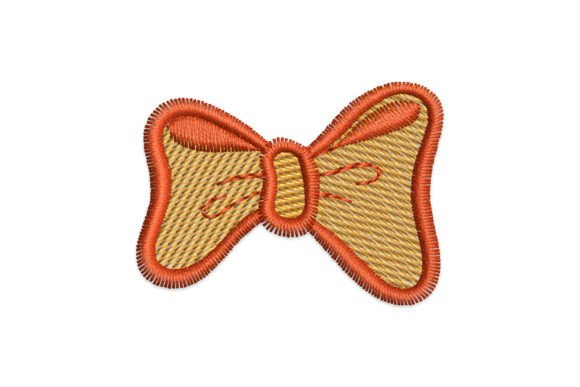
Bow Tie Embroidery: A Designer's Field Test for Real Projects
Some embroidery designs arrive on my screen and immediately spark a dozen project ideas. The Bow Tie design did exactly that. It is not loud, not overly complicated, and that is precisely why it works so well. There is a crispness to the shape and a gentle charm that reads as thoughtful rather than flashy. I could already picture it stitched onto a linen shirt collar, peeking out from a pocket edge, or scaled down for a baby onesie. It carries a kind of old-school gentlemanly warmth, but it is also playful enough to land on a hoodie or a pair of jeans without feeling out of place. The description notes that this design will make fabrics more elegant, and honestly, that tracks. It is a small gesture with outsized personality.
Before I commit any machine embroidery design to a client project or a batch of shop inventory, I run it through a mental checklist. Does the composition hold up under scrutiny? Will the stitching read clearly on textured surfaces? Is the visual weight balanced enough to stand alone but also play nicely with other elements? The Bow Tie passes most of these checks with room to spare. Let me walk through how I evaluated it, what surprised me, and where I would exercise a little caution before hitting that start button.
First Impression: Clean Lines, Gentle Personality
What strikes me first about this Bow Tie design is its restraint. The shape is symmetrical without being stiff, and the proportions feel intentionally classic. The curves are soft but not sloppy, and the center knot area has just enough detail to anchor the whole thing visually. This is not one of those overly dense designs that makes you worry about thread breaks or puckering on lightweight fabric. The composition breathes. For anyone who regularly works with satin stitch and fill stitch combinations, you will appreciate how the simpler layout reduces the risk of distortion during hooping. The mood it creates leans timeless, slightly preppy, and undeniably friendly. It is the kind of embroidery that makes a handmade product feel intentional rather than decorated for the sake of decoration.
I also noticed right away that this design would translate beautifully into monochrome thread choices. A single rich navy or deep burgundy on cream fabric would look stunning. That said, two-tone versions where the bow loops differ slightly from the knot could add subtle dimension without complicating the stitch path. The stitch density appears thoughtful, though I always recommend examining the file closely in your software before stitching to confirm there are no overly compacted areas that might struggle on thinner backings.
A Real Project Scenario: The Custom Tote That Sold Itself
Let me ground this in something concrete. A few weeks ago, I was preparing a small batch of canvas tote bags for a local boutique that wanted simple, elegant, gift-ready products. The shop owner asked for something that felt upscale but approachable, something a customer might grab for a birthday present or a teacher appreciation gift. I tested several designs on scrap canvas, and the Bow Tie was the clear winner. Stitched in a matte charcoal thread on natural cotton canvas, it gave the tote an instant polished look. It did not scream for attention, but it absolutely lifted the perceived value of the bag. When I posted a preview photo, three people messaged me within an hour asking if they could order one. That kind of response tells me the design has real commercial legs.
This is precisely the sort of embroidery project where a design earns its keep. A plain tote becomes a boutique product. A simple apron turns into a memorable hostess gift. A baby bib becomes something parents actually want to show off at a christening or first birthday party. The Bow Tie does the heavy lifting of making something ordinary feel curated.
Where This Design Truly Belongs
Over the years, I have learned that not every embroidery design is versatile, but this one comes remarkably close. Here is where I would confidently place the Bow Tie without hesitation:
- Custom apparel: Shirt collars, cuffs, chest pockets, and plackets are natural homes. The shape complements tailored details beautifully.
- Sweatshirt embroidery: Placed small on the front chest or as a subtle accent near the neckline, it adds a preppy twist to casual wear.
- Baby embroidery: On onesies, bibs, or tiny blankets, the bow tie reads as adorable without being overly cutesy. Parents appreciate designs that feel timeless.
- Tote bag design: Centered or corner-placed, it gives a clean, boutique-branded look.
- Aprons and kitchen towels: A bow tie on a linen apron or tea towel creates a charming, slightly whimsical feel perfect for holiday markets.
- Pillow covers and nursery decor: Paired with a soft color palette, this design works wonderfully for baby showers or children's room accents.
- Caps and hats: A small bow tie on the side or back of a cap offers a unique detail that stands out in a sea of plain headwear.
What I appreciate most is that the design does not lock you into one aesthetic. It can read formal on a dress shirt, playful on a hoodie, and sentimental on a keepsake blanket. For Etsy sellers and small shop product creators, that range is gold. One design can populate multiple listing categories without feeling repetitive.
Where Caution Makes Sense
No design is universally foolproof, and I would be doing you a disservice if I did not mention a few scenarios where the Bow Tie needs a thoughtful approach. Small hoop sizes will be your first constraint. If the design includes fine inner detailing around the knot, shrinking it too aggressively could cause those running stitch lines or delicate satin edges to blur together. Always check the minimum recommended dimensions before purchasing, and if that information is not provided, reach out to the designer or test on scrap fabric at progressively smaller scales.
Textured fabrics like terry cloth, fleece, or heavily napped surfaces can swallow the crisp edges that make this design so appealing. A stabilizer is non-negotiable here. I would use a medium-weight cutaway for knits and a tear-away for woven fabrics, but always consider topping film if the nap is particularly high. Stretchy fabrics introduce another variable. On a thin jersey t-shirt, improper hooping could pull the bow tie shape slightly off-center or warp the curves. A fusible mesh stabilizer can work wonders to lock everything in place before the needle drops.
Dark fabric also deserves a quick mention. If you plan to stitch a light-colored bow tie on a black hoodie, for example, thread color contrast becomes critical. Test a few shades first, because what looks crisp on screen can sometimes read as muddy once stitched. I also recommend checking the design in black-and-white mockup mode to see if the shapes hold up without color to rely on. This is a habit I picked up years ago, and it has saved me from ordering the wrong thread more than once.
Visual Appeal and Customer Perception
One of the quiet superpowers of the Bow Tie is how it shapes buyer perception. A handmade product with this level of clean, recognizable imagery signals professionalism. Customers unconsciously associate a well-stitched bow tie with attention to detail, thoughtfulness, and quality. For a craft business or Etsy seller, that association is invaluable. It means the difference between a product that feels homemade in the amateur sense and one that feels genuinely handcrafted with skill.
Giftability also rises sharply with designs like this. Someone browsing for a personalized baby gift or a holiday present for a dapper uncle will be drawn to the bow tie because it evokes celebration without being seasonal. It works for weddings, birthdays, Father's Day, and Christmas equally well. That year-round relevance is something I always look for when choosing digital embroidery files for my commercial library.
Brand Consistency and Small Shop Styling
If you are building a brand around a specific aesthetic, whether that is minimalist, vintage-inspired, or preppy-chic, the Bow Tie design slots in effortlessly. It can serve as a subtle logo alternative, a recurring motif across product lines, or a signature detail that customers begin to recognize. I have seen small shops use similar designs across aprons, tea towels, and tote bags to create a cohesive product family that photographs beautifully together. For printable mockup purposes, the clean silhouette also makes it easy to overlay onto product images without losing legibility.
When I style products for my own listings, I often lean on designs that photograph well from multiple angles. The Bow Tie holds its shape in flat lays, hanging shots, and close-up detail photos. That might sound minor, but anyone who has struggled to capture decent product images knows how much a design's clarity matters at thumbnail size. A blurry or overly complex stitch-out loses buyers before they even click.
Practical Designer Notes Before You Stitch
I want to share a few workflow habits that will help you get the best result from this embroidery file. First, always run a test stitch on fabric that closely matches your final material. Do not test on plain cotton and then stitch on a ribbed sweater expecting the same outcome. Second, review stitch density in your embroidery software before sending the file to the machine. Look for any tight clusters near the center knot or bow loops that could cause thread buildup on dense fabric. Third, experiment with thread colors beyond the obvious. A matte olive green, a dusty rose, or even a metallic gold could completely transform the mood of the finished piece.
I also recommend checking the hoop size requirements against your machine's capability. If you are working with a smaller hoop, confirm whether the design can be split or scaled without compromising quality. For those selling finished items, verify the commercial licensing terms for the digital embroidery file. Some designers allow unlimited use on physical products, while others restrict quantities or require attribution. This matters enormously for commercial embroidery and craft fair products. Do not assume. Confirm.
The Bow Tie as a Staple Design Asset
After evaluating the Bow Tie from multiple angles, I consider it a strong addition to most embroidery libraries. It fills a niche that many collections overlook. It is not floral, not typographic, not overtly seasonal. It is a structured, friendly motif that elevates whatever it touches. For apparel decorators, it offers an easy upsell on custom shirts. For handmade shop owners, it opens up a whole category of giftable goods. For creative entrepreneurs building a brand, it provides a recognizable visual signature that customers remember.
I would not hesitate to use this design on client orders, boutique inventory, or personalized gifts. It stitches cleanly when properly stabilized, photographs well, and appeals to a broad audience without feeling generic. In a market flooded with overly complex designs that promise drama but deliver frustration, the Bow Tie succeeds by knowing exactly what it is. A small, elegant detail that makes fabric feel more intentional. That is the kind of design that earns repeat customers and word-of-mouth referrals. And for anyone running a small creative business, that is the whole point.