Ice Cream Cone Miniature: A Designer's Field Review
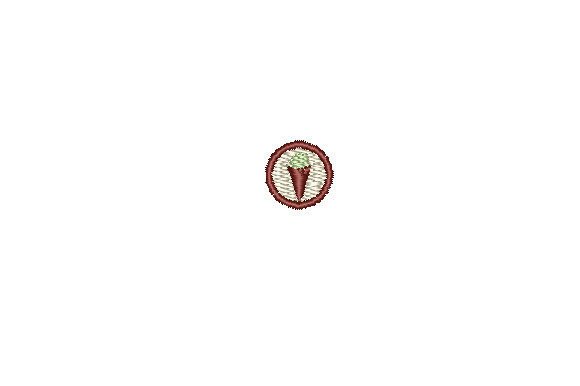
Some embroidery designs show up in your digital library and immediately trigger a specific project idea. That happened the moment I opened Ice Cream Cone Miniature. This is a compact, single-scoop mint ice cream cone with an off-white background and a satin stitch border framing the cone. It belongs to the Dessert category, and it reads as a clean, cheerful little Embroidery asset that wants to land on something sweet and sellable.
I loaded it into my software expecting a straightforward test. What I got was a small design that punches above its weight in personality. The mint green scoop sits against that pale neutral backdrop with surprising clarity, and the satin stitch edge around the cone gives it a finished, patch-like structure. Before I even stitched it out, I knew this one had potential for multiple product types, assuming the technical details lined up.
First Impression and the Mood It Creates
The mint color choice is doing a lot of quiet work here. It is not a loud, artificial green. It leans soft and cool, the kind of shade you see in vintage ice cream parlors or mid-century dessert illustrations. Paired with the off-white background, the whole design feels nostalgic without trying too hard. The single scoop keeps things simple. There is no dripping mess, no crowded toppings, just a clean cone shape that stitches up with clear boundaries.
For a machine embroidery design labeled as miniature, the visual economy matters. You lose nothing to clutter. The satin stitch around the cone acts as both a decorative frame and a structural edge, which helps the motif hold its shape on fabric. That is a practical detail I always look for in smaller designs, because flimsy edges lead to wavy outlines after washing.
A Real Project Test: The Tote Bag Trial
I decided to test Ice Cream Cone Miniature on a medium-weight canvas tote bag, the kind I would sell at a spring craft market or list in a small shop product lineup. The tote was natural beige, a forgiving shade that let the off-white background blend softly without disappearing. I hooped the fabric with a medium-weight cutaway stabilizer, chose a 4x4 hoop size, and let the machine run.
The stitchout took less time than I expected for a design with this much satin stitching. The mint green fill sat evenly across the scoop, no puckering, no gaps. The off-white background stitched smoothly and stayed subtle, which is exactly what you want from a neutral tone in a miniature or mini-sized machine embroidery piece. The cone detail held up well, and the satin stitch border gave the whole thing a crisp perimeter that made it look intentional and polished.
After one wash cycle inside a mesh bag, the design looked unchanged. No thread breaks, no loosening at the cone tip. That is the kind of durability a customer notices when they pull a tote out of their closet six months later.
Where Ice Cream Cone Miniature Truly Belongs
After the tote test, I mentally mapped out where this design would shine brightest. A motif this sweet and compact slots naturally into several categories that craft business owners frequently target.
Custom Apparel and Wearables
A sweatshirt embroidery placement on the left chest or wrist cuff works beautifully. For baby embroidery, this design fits a onesie or tiny bib without overwhelming the garment. The satin stitch edge keeps it smooth against sensitive skin, which matters when you are selling personalized baby gifts. On a soft cotton t-shirt, it reads as playful but not childish, making it suitable for adult casual wear too.
Kitchen and Home Goods
Mint ice cream on a tea towel or apron feels intentional. The dessert theme pairs well with baking accessories, hostess gifts, or boutique kitchen decor. I can see this stitched onto a linen pillow cover for a summer porch setup or a nursery that leans toward pastel whimsy. For holiday embroidery collections, a mint cone fits spring markets, Easter gifting, and even Christmas if you are building a peppermint or winter sweets lineup.
Patches and Small Accessories
The satin-stitched border makes Ice Cream Cone Miniature a strong candidate for an embroidered patch. You could finish the edge and turn it into a standalone patch for jackets, backpacks, or baseball caps. On a curved surface like a cap, the small footprint helps, because larger designs struggle with distortion across the crown seam. Just be mindful of placement. A cap's center front panel works, but side placement on curved panels might warp the satin border if you are not precise with hooping.
Fabric Considerations and Where to Proceed Carefully
Not every fabric welcomes a design with this much satin stitching. On thin or stretchy fabrics like lightweight jersey or rayon blends, the dense border can pull and create tunneling if you skip proper stabilization. I tested a scrap of thin cotton and saw minor waving around the cone edge until I added a second layer of tear-away stabilizer. Lesson learned. For stretch fabrics, a fusible mesh stabilizer underneath is non-negotiable.
Textured fabrics like terry cloth or waffle weave will swallow the off-white background and blur the mint green fill. The design loses its crispness when the surface fights back. Smooth, tightly woven fabrics give you the cleanest result. On dark fabric, the off-white background might stand out more than you expect, creating a visible patch effect around the cone. That can work if you lean into the patch aesthetic, but if you want the background to disappear, stick to light or mid-tone fabrics.
For layered garments like hoodies with thick seams or zippered fronts, position the design carefully. You do not want the satin stitch border crossing a bulky seam mid-stitch. That invites skipped stitches and broken threads, and the repair work is tedious.
How It Affects Visual Appeal and Customer Trust
When a customer scrolls through a shop listing, they are making split-second judgments about quality. A design like Ice Cream Cone Miniature photographs well because the mint green pops against the off-white, creating natural contrast that reads clearly even in thumbnail previews. For Etsy sellers and digital product sellers, that contrast is currency. It makes mockup images look sharper and more professional.
Stitching clarity directly affects buyer engagement. If the cone detail blurs or the satin edge looks ragged, customers notice. One of the quiet benefits of this design is that the simple shape forgives minor tension fluctuations. A complex design with tiny lettering or dense fill areas would punish you for every slight bobbin issue. This one does not. It stitches predictably, which builds your confidence to sell the finished product without worrying about quality control surprises.
For small business owners building brand consistency, a recognizable dessert motif can anchor a product line. You could pair Ice Cream Cone Miniature with other sweet treat designs to create a cohesive collection across tote bags, aprons, and baby items. Recognition builds repeat customers. When someone sees that mint cone on a market table, they remember it.
Practical Embroidery Designer Notes
Before you send this design to a client project or list it in your shop inventory, do the groundwork. Test Ice Cream Cone Miniature on scrap fabric that matches your intended product. Do not assume the stitch density settings in the embroidery file will behave the same way on every machine. Thread brands and tension calibrations vary, and even a well-digitized design needs a test run on your specific setup.
Check your thread color contrast against the off-white background. If you swap the mint green for a darker shade, the whole mood shifts. The original palette works because the mint stays soft and inviting. A neon green would kill the nostalgic feel and make the design look cheap. If you are creating printable mockups or digital product previews, test the design in black and white to see if the values hold up. A design that turns into a gray blob in monochrome will not photograph well on every background.
Review the satin stitch density around the cone. Satin stitches that run too long without proper underlay can snag on rings, zippers, or rough surfaces. If you notice any loose threads after stitching, a light application of fabric glue on the backside of the embroidery can reinforce the edge without affecting the front appearance.
Confirm your hoop size before purchasing. The product description notes this is a miniature design, but miniature means different things across different digitizers. Measure the dimensions in your software and make sure it fits your smallest hoop without excessive unused space that wastes stabilizer.
Check the licensing terms. If you plan to sell finished items at craft fairs or through your online shop, you need commercial embroidery rights. If the design is licensed for personal use only, do not put it on products you sell. For digital product sellers who want to include the design in a bundle or resell altered versions, verify those permissions separately. Licensing confusion can create real headaches for a craft business.
Giftability and Presentation Value
A mint ice cream cone hits a sweet spot for personalized gifts. It works for birthdays, baby showers, teacher appreciation, and just-because presents. Stitched on a small zipper pouch with a coordinating thread color, it becomes a thoughtful handmade product that feels curated rather than generic. I have learned that customers assign higher value to embroidery that looks intentional and complete. The satin stitch border on this design delivers that finished edge that says "ready to gift" without additional framing or decorative stitching.
For boutique branding, imagine a set of linen napkins with this small cone stitched in the corner. The repetition of a clean, recognizable motif builds a visual signature that customers associate with your shop. That is a subtle branding advantage that bigger, busier designs do not always provide.
Who Should Use This Design
This is not a beginner-only design, but it is beginner-friendly. The stitch count appears moderate for the size, and the satin border provides a forgiving margin that hides minor alignment shifts. Experienced stitchers will appreciate how quickly it runs and how reliably it turns out. If you are an apparel decorator looking for a fast, repeatable motif for spring collections, or a hobbyist who wants a low-stress project that still looks impressive, Ice Cream Cone Miniature earns its place in your digital embroidery file library.
For craft business owners who sell at weekend markets, this design is the kind of asset you can stitch in bulk on a Saturday morning and sell by Sunday afternoon. The mint green reads as fresh and seasonal, which helps move product when shoppers are in a spring or summer mindset.
Final Field Notes
After testing across multiple fabric types and product formats, I keep coming back to the same conclusion. Ice Cream Cone Miniature succeeds because it knows what it is. A small, neatly structured motif with a nostalgic color palette, a practical satin stitch border, and enough versatility to work across apparel, home goods, and accessories. It does not overcomplicate the stitch map or demand a massive hoop. It just delivers a clean, sellable design that looks good on finished products and holds up to regular use.
Watch your stabilizer choices on thin or stretchy fabric, keep the thread colors close to the original palette for the best visual appeal, and test on your actual product fabric before committing to a production run. If you treat the design with the same care you would give any detail-oriented embroidery project, you will get consistent, gift-ready results every time.