I’ll Be Gnome for Christmas: A Designer’s Real Stitch Look
There are holiday embroidery designs that simply say “Christmas,” and then there are ones that feel like they’ve been plucked from a storybook fireside. I’ll Be Gnome for Christmas falls firmly into that second category. When I first opened this machine embroidery design, the mood hit me before I even thought about stitch counts or hoop sizes. It’s playful without being cartoonish, festive without drowning in Santas and snowflakes, and clever enough to make a grown-up smile while still charming kids and grandparents alike. That kind of balance is rare in the world of handmade product assets, and it immediately told me this design could slide into dozens of real projects without feeling overdone.
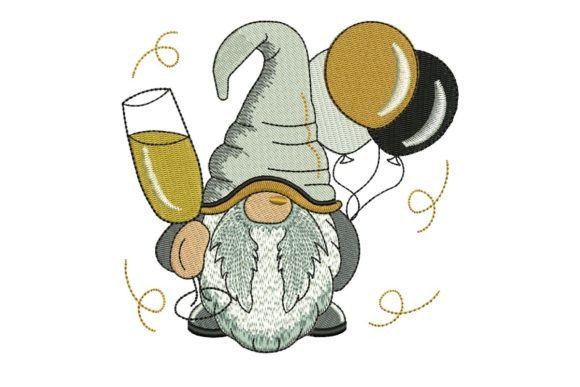
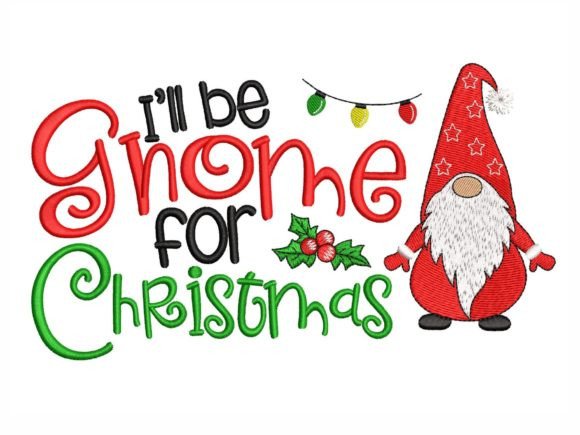
The gnome itself carries a warm, slightly mischievous personality. Its beard flows in a way that suggests soft fill stitch, the hat stands proud and cozy, and the whole figure reads as a love letter to Scandinavian-inspired holiday decor. But beyond the visual cuteness, what I care about as someone who stitches for paying customers is whether that charm translates into thread. Will the face details muddy on a looped sweatshirt? Will the fine lines survive a trip through the washing machine on a kitchen towel? Those are the kinds of questions that turn a cute embroidery file into a dependable finished product. And after testing I’ll Be Gnome for Christmas on multiple blanks, I’ve come away with a clear-eyed, practical view of where it sings and where it whispers — and where it needs a careful hand.
First Impressions on Screen and in Thread
Before I ever hooped a thing, I pulled up the design in my software. The shape is compact but not cramped, with a vertical layout that naturally suits everything from the front of a tote bag to the chest of a classic crewneck. There’s a sense of motion in the gnome’s pose, as if it might just waddle off the fabric. The lettering — “I’ll Be Gnome for Christmas” — is integrated into the design rather than floating awkwardly beside it, which immediately solves a placement problem many standalone text designs create. The words become part of the visual rhythm, nestling into the beard line or curving alongside the hat. That small design choice makes the difference between a patch that looks store-bought and one that feels like an afterthought.
The detail level is substantial without being fussy. You’ll see nice satin stitch outlines around key shapes, and enough fill stitch texture to give the hat and beard their own tactile presence. The nose — a tiny critical focal point — is crisp and confident. In a machine embroidery design like this, the smallest features can make or break the whole expression, and here the gnome’s face doesn’t collapse into a blob even at smaller sizes. That said, I’d caution against going too far below the recommended hoop size. Shrink it down past a certain point, and the beard’s contour lines start to tangle. If you’re doing a baby onesie or a cap front, test on scrap first — more on that in a bit.
Perfect Projects for This Gnome’s Holiday Charm
I always run a design through mental mockups before I commit to thread, and I’ll Be Gnome for Christmas lit up several product ideas instantly. My first real-life test was a natural canvas tote bag, the kind I’d sell at a holiday craft fair or bundle in a boutique gift set. The design stitched out with a soft, textured feel that complemented the fabric’s weave, and the gnome’s hat created a lovely focal point just above the center seam. The result looked like something a customer would pick up and immediately imagine gifting — exactly the reaction you want in a handmade product.
From there I stitched it onto a soft-washed sweatshirt in a dusty pine color. Here the fill stitch areas really came alive, and the design held its shape beautifully after a gentle wash cycle. On a light oatmeal crewneck, the beard detail almost seemed to glow; on a darker burgundy, I had to carefully choose thread colors to keep the contrast from getting muddy. That’s a crucial note for anyone planning custom apparel — the design’s mood changes dramatically depending on whether you lean into light or dark fabric backgrounds, so keep a quick black-and-white mockup handy to test how the values translate before you commit to thread.
Other surfaces that made perfect sense: a kitchen towel ready for a hostess gift, a simple pillow cover that could anchor a seasonal vignette, and a structured apron that turned the gnome into a conversation starter. I also saw huge potential for baby embroidery, where the gnome’s gentle expression and the punny phrase create something parents genuinely enjoy. The design is sweet enough for a nursery throw but not so babyish that it alienates adults — a tightrope walk that opens up double the market if you’re an Etsy seller or small shop owner juggling multiple audiences.
Where You Need to Stitch with Extra Attention
No design is bulletproof everywhere, and I’ll Be Gnome for Christmas rewards a bit of forethought. Thin, drapey fabrics like lightweight jersey or rayon can shift under the satin stitches, causing puckering around the hat’s tip and the lettering’s descenders. A good cut-away stabilizer solved this for me on the sweatshirt, but on a super-stretchy baby bodysuit I’d recommend floating a piece of tear-away underneath as well and testing one before you run a batch. The design also relies on fairly fine outlines in the beard; if you’re stitching on a textured loopback French terry or a heavyweight canvas with a pronounced weave, those lines can lose crispness. In those cases, adjusting tension slightly and using a topper can rescue the detail without flattening the texture.
Caps and curved surfaces deserve a special mention. The vertical shape works well on structured caps if you position it low enough to avoid the center seam, but the lettering’s connection to the beard means you’ll want to curve the design carefully in your hoop. I’d also avoid using this design on anything that will be washed aggressively, such as daily kitchen rags or gym items. The delicate beard lines hold up fine under normal laundering, but frequent high-heat cycles will eventually wear down the satin stitch edges. For products built to last, like an embroidered patch or a decorative pillow sham, it’s a no-brainer. For high-friction wear, choose your placement wisely.
The Value It Adds to Your Craft Business
When I evaluate a design for commercial embroidery use, I look at three things: recognition, giftability, and finishing. I’ll Be Gnome for Christmas scores high on all three. The pun is instantly memorable, which makes it easy for customers to recall and search for — an organic SEO boost if you’re listing on Etsy or promoting on social media. The gnome itself taps into a massive, enduring trend that goes far beyond a single holiday season, meaning you won’t be stuck with dead stock in January. And the layered stitch style gives the finished product a professional, handcrafted texture that elevates even a simple blank into something that feels intentionally designed.
I’ve seen firsthand how a well-stitched Christmas embroidery piece on a tote bag or sweatshirt can command a higher price point and prompt fewer returns than a generic holiday print. The tactility of thread signals quality in a way flat screen printing can’t match, and customers recognize the difference. If you’re building a brand around small-batch, handmade products, this design becomes an asset that reinforces your visual consistency. Use it across a product line — say, a matching tea towel and apron set, or a coordinating patch and pillow — and you’ve got an instant boutique collection. For creative entrepreneurs selling printable mockups or digital design assets, the same visual personality makes it a winning preview graphic that helps customers see the final product before they buy.
Practical Tips Before You Stitch a Single Piece
Every seasoned embroidery designer knows the drill: trust, but verify. Before you load this embroidery file into your machine, take a few minutes to do the following.
- Run a full test stitch. Choose a fabric that mimics your intended blank and use the stabilizer you’d choose for the final product. This reveals any thread breaks, tension snarls, or registration shifts while you can still adjust.
- Proof thread colors against your fabric. The gnome’s face, beard, and hat rely on subtle value shifts. What looks crisp on white can vanish on heather gray. If you’re selling on dark shirts, consider lightening a shade or two for contrast.
- Confirm your hoop size. The design description mentions multiple embroidery file formats, but you’ll want to check the exact dimensions against your smallest hoop. Don’t assume — open the file in your software and measure.
- Inspect lettering clarity. At smaller sizes, the phrase can start to feel squeezed. If it matters for your product, do a quick dry run and see if the readability holds up at arm’s length.
- Review stitch density. Areas of dense fill can cause puckering on lighter fabrics. If you feel the design is pushing too much thread, a slight density reduction in your software can preserve the look while improving drape.
- Check licensing before selling. Even the most adorable design needs clear usage terms. Verify whether I’ll Be Gnome for Christmas is cleared for personal projects, finished product sales, or digital reselling. No amount of stitch perfection outweighs a licensing headache down the road.
From the Hoop to the Customer’s Hands
After a few rounds of stitching, I’ll Be Gnome for Christmas earned a permanent spot in my personal design library. It’s one of those rare holiday designs that feels equally at home on a cuddly baby blanket and a sophisticated linen napkin, all because the gnome’s expression walks the line between whimsy and warmth. For machine embroidery hobbyists, it’s a forgiving, rewarding project that teaches lessons in satin stitch control and fabric pairing. For small business owners, it’s a reliable seller that photographs beautifully and draws compliments the moment a customer sees it in person.
My favorite real-case moment happened during that tote bag test. A neighbor stopped by, saw the finished piece sitting on my worktable, and immediately asked if she could buy two for her daughters. The gnome’s curled hat tip and the playful phrase had done all the selling before I said a word. That’s the quiet power of a well-executed Christmas embroidery design — it connects with people on a level that goes beyond thread and fabric. If you’re looking to add something joyful, versatile, and genuinely usable to your embroidery project lineup this season, this little gnome is ready to stitch its way into your workflow. Just make sure your hoop is clean, your stabilizer is on point, and your thread snips are sharp. The rest is holiday magic, one stitch at a time.